 By
By

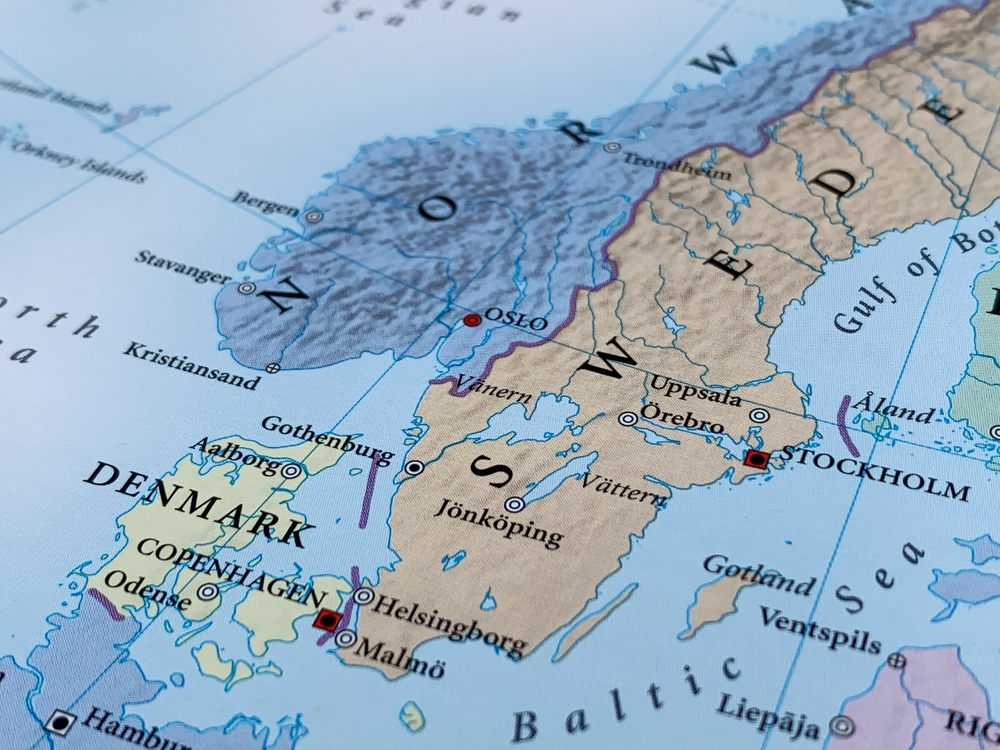
If you have just 10 days and you want three countries, you need a route that’s fun in real life, not just pretty on a map. This guide is built for camper travelers who want big-city energy, coastal drives, and a legit fjord moment, without spending the whole trip white-knuckling long driving days.
You’ll start in Sweden (easy flights, easy pickup), loop down to Denmark for Copenhagen, then head into Norway for Oslo and a fjord sampler that still feels like “Wow, this is why we came.” It’s the kind of Denmark, Sweden, and Norway itinerary you can actually follow, even if you stop for cinnamon buns more often than planned. And yes, it fits a 10-Day Scandinavia road trip without turning into a sprint.
Quick Overview of Your Scandinavia Road Trip in 10 Days
Before we go day-by-day, here’s the trip at a glance so you can sanity-check the pacing. Think of this as the “Is this doable?” section.
|
Day |
Overnight |
Main vibe |
Drive time (rough) |
|
1 |
Stockholm |
Arrival, pickup, old town wander |
0–1 hr |
|
2 |
Gothenburg area |
Cross-country Sweden with good stops |
5–6 hrs |
|
3 |
Bohuslän coast / Gothenburg |
Coastal Sweden day (islands, seafood, cliffs) |
1–3 hrs |
|
4 |
Copenhagen area |
Sweden to Denmark via Øresund Bridge |
4–5 hrs |
|
5 |
Copenhagen area |
Full Copenhagen day |
0–1 hr |
|
6 |
Overnight ferry or Oslo |
Denmark to Norway (best shortcut option) |
Minimal driving |
|
7 |
Oslo area |
Oslo highlights + chill evening |
0–1 hr |
|
8 |
Flåm / Aurland area |
Fjord day (the “poster” scenery) |
5–6 hrs |
|
9 |
Karlstad / Lake Vänern |
Back toward Sweden, lake-town reset |
5–7 hrs |
|
10 |
Stockholm (drop-off) |
Return, last meal, goodbye Scandinavia |
3–4 hrs |
How to Plan a Denmark, Sweden, and Norway Itinerary in a Camper
A camper trip across three countries is mostly about getting the logistics right once, so you can stop thinking about them every day. Here’s what actually matters for this loop.
Start in Sweden for the Smoothest Pickup
Starting in Stockholm (or Gothenburg, if that’s where your rental is) keeps things simple: big airport access, lots of service options, and an easy rhythm before you hit border crossings.
If you can choose, a smaller camper is your best friend for Copenhagen and Oslo. Parking is easier, toll categories are friendlier, and you’ll feel way more relaxed in city traffic.
Know What’s Changing for 2026 Travel Paperwork
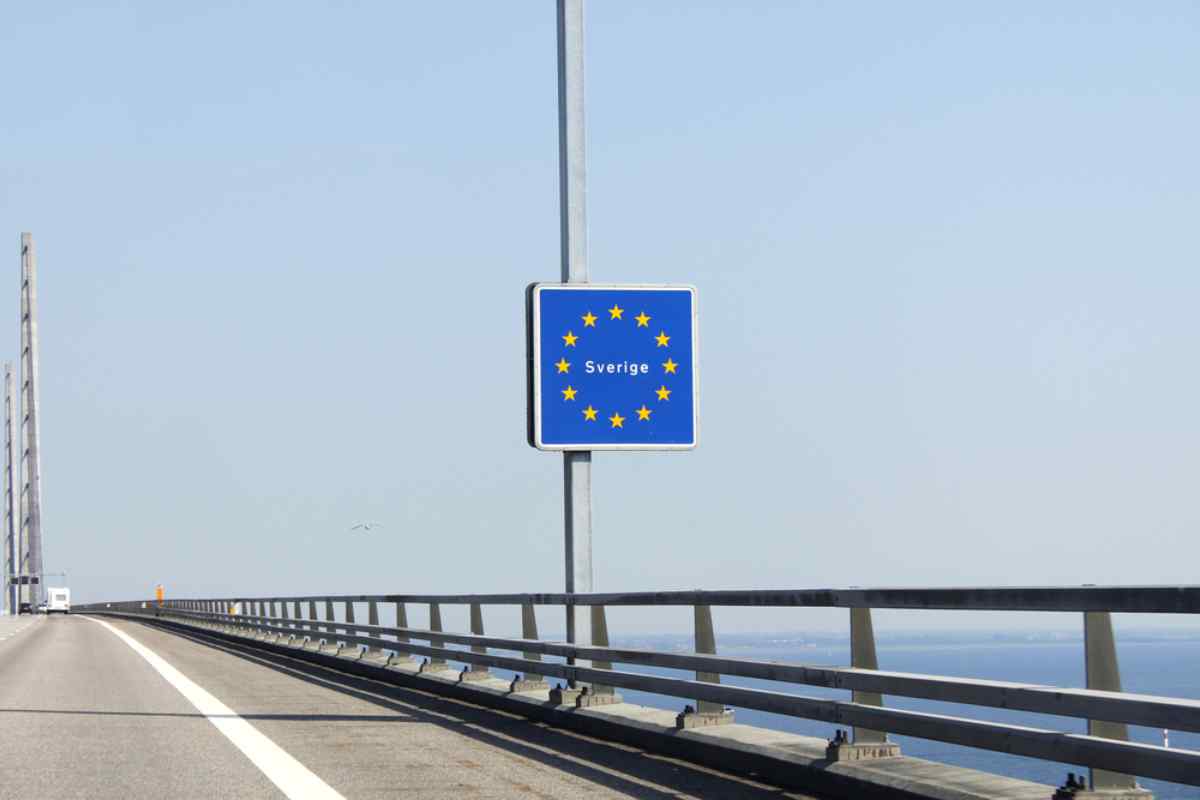
Denmark and Sweden are in the Schengen Area, and Norway participates in Schengen too. Travel entry requirements can change over time, so it’s always smart to check the latest official guidance before your trip and make sure you have the right documents ready.
Also, keep your passport (or official ID, depending on where you’re from) handy. Internal border checks can be temporarily reintroduced, and ferry operators may ask for ID at check-in. The European Commission maintains guidance on temporary internal border controls, and it’s not something you want to be surprised by at a terminal.
Camping Expectations in Sweden and Norway
Sweden’s official tourism site notes that wild camping in a motorhome can be allowed, but you must follow specific rules and you cannot drive off-road or park on sensitive terrain like forests, beaches, pastures, or lawns. In other words, plan on campsites and designated motorhome areas, and treat wild nights as the exception.
In Norway, the right to roam is real, but it comes with boundaries. Visit Norway’s guidance for tenting highlights the classic rule: stay at least 150 meters from the nearest inhabited house or cabin, and avoid putting pressure on busy hotspots.
The Route: Day-by-Day Denmark, Sweden, and Norway Itinerary
This is the heart of the guide. I’m giving you a practical 10-day loop that works for a camper, with optional tweaks when there’s a smarter way to do something.
Day 1: Stockholm
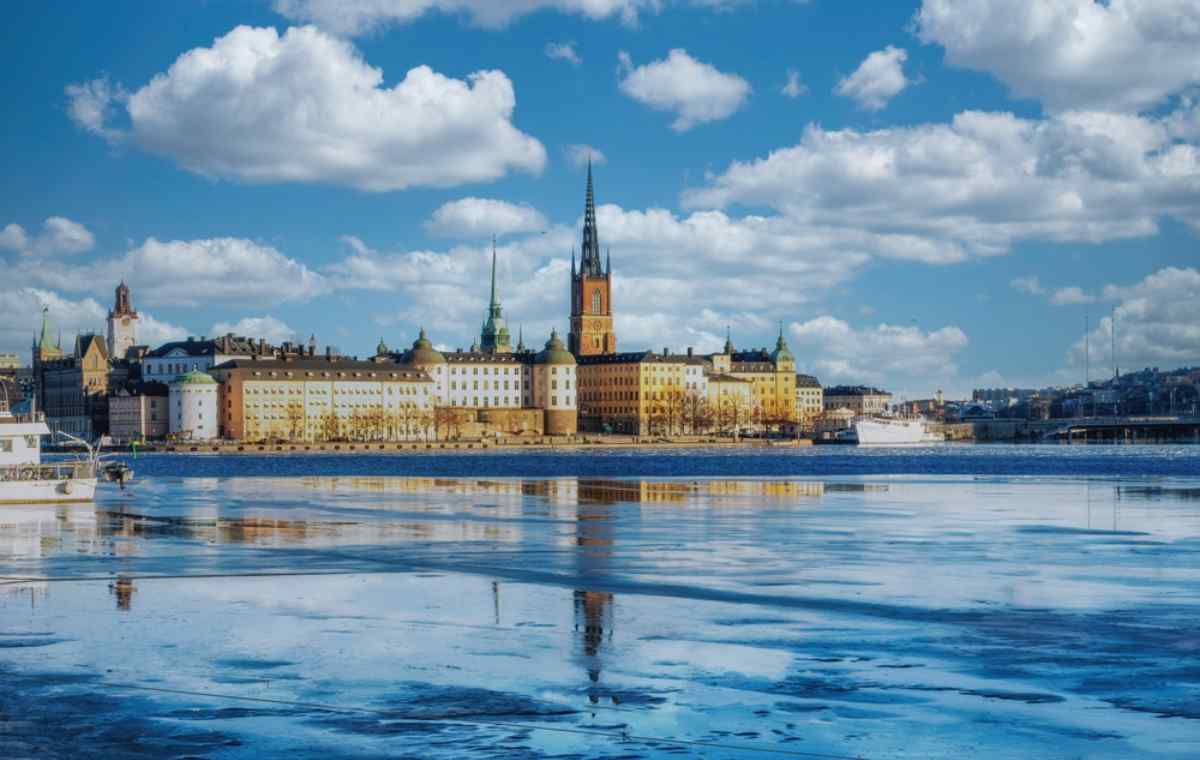
Pick up your camper, do a quick grocery run, and keep your first day simple. Stockholm rewards walking, not driving. Aim for Gamla Stan (old town), the waterfront, and one museum that genuinely interests you (Vasa is the usual crowd-pleaser, but you do you).
Camper tip: choose a campsite or a motorhome stopover outside the center and take public transport in. It’s less stressful and usually cheaper than hunting for city parking. If you want a concrete example of a motorhome stopover concept near Stockholm, check out our guide.
Day 2: Stockholm to Gothenburg
Yes, this is a longer drive day. But it’s the one that makes the whole Scandinavia road trip in 10 days idea work.
Break it up with one stop that feels worth it. Two easy picks:
- Örebro for a castle-and-lunch break
- Karlstad if you want a lakeside stroll and a slower pace
Roll into Gothenburg in the late afternoon, check in, and go find food. Gothenburg does seafood well. Keep it simple. You’ve got a coastal day tomorrow.
Day 3: Bohuslän Coast Day
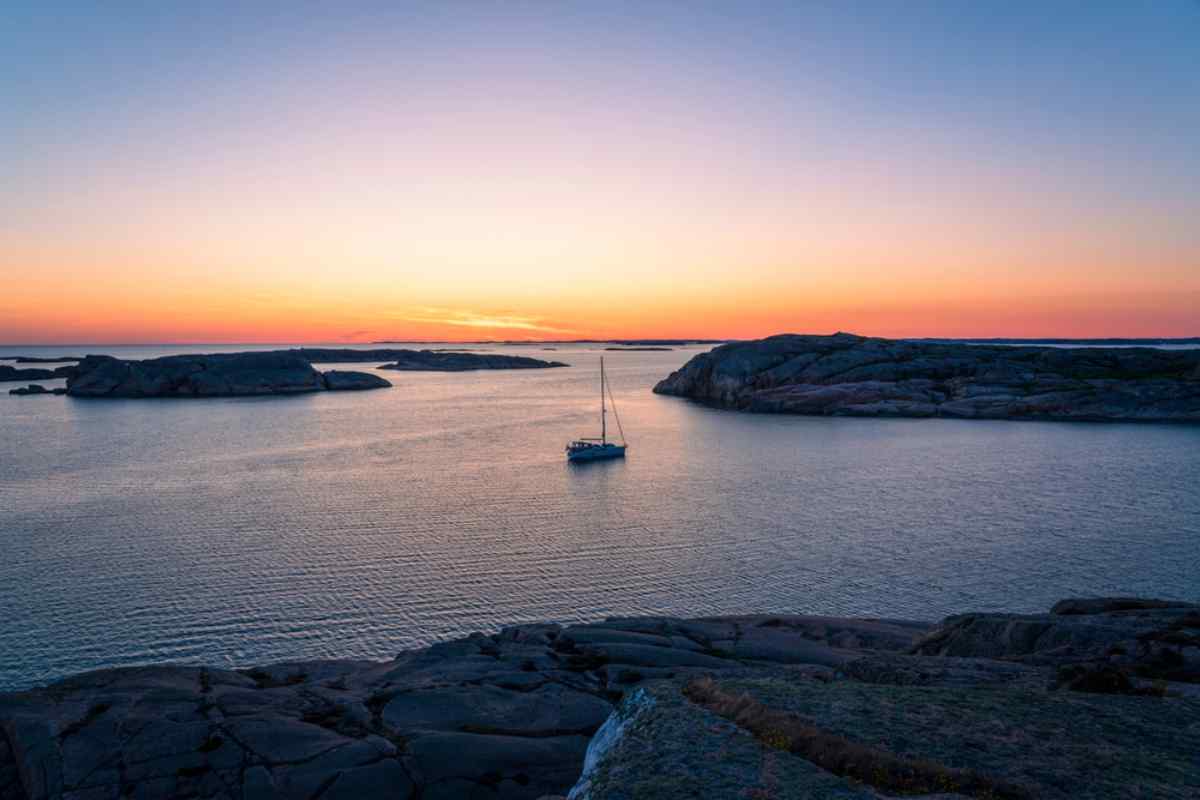
If you’ve never heard of Bohuslän, you’re about to wonder why people don’t talk about it more. Think granite coastline, colorful fishing villages, salty air, and that “I could live here for a month” feeling.
Pick one or two stops, not five:
- Marstrand for an easy island vibe and fortress views
- Smögen if you want classic postcard piers and seafood
- Lysekil if you want dramatic coastal walks
Stay coastal if you find a great pitch, or head back toward Gothenburg if you want a wider choice of facilities.
Day 4: Gothenburg to Copenhagen (via Malmö and the Øresund Bridge)
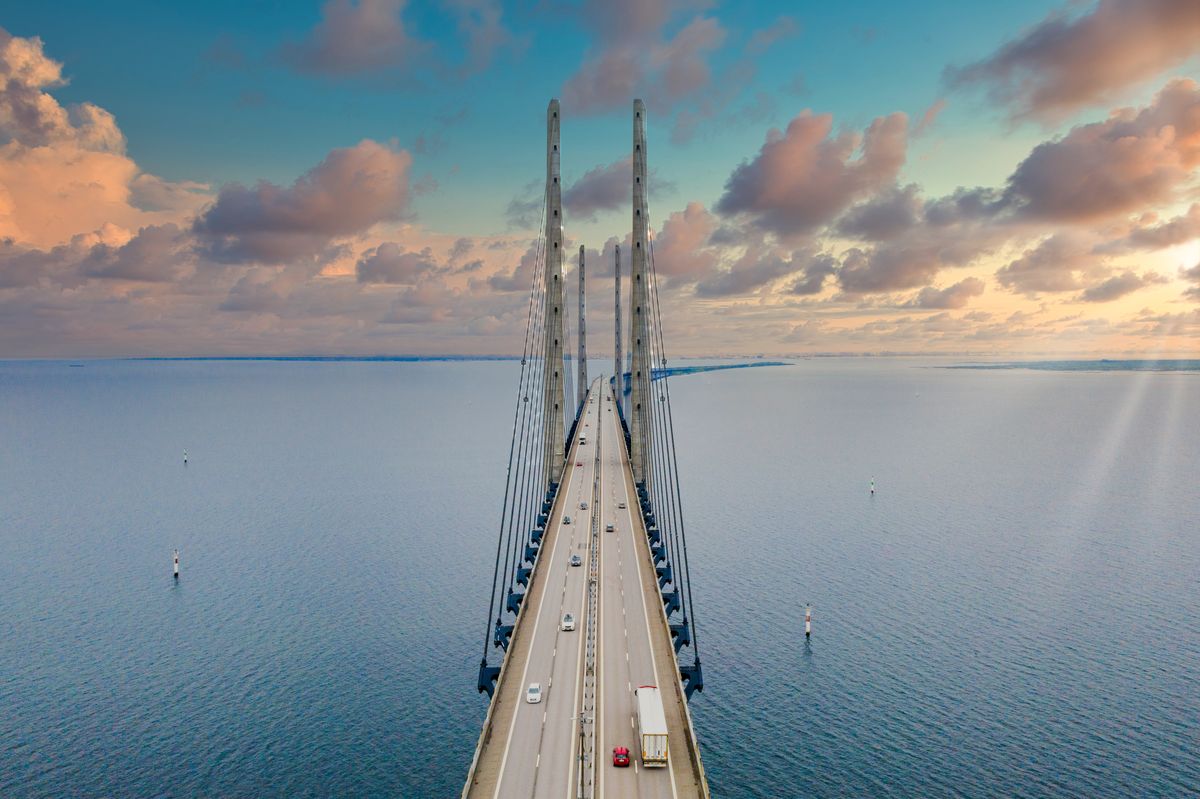
Today you’ll drive south toward Malmö and cross into Denmark. The crossing itself is part of the fun. The Øresund Bridge is iconic, and it’s also one of the main fixed costs you’ll want to plan for.
Øresund Bridge prices depend on vehicle size and ticket type. The official Øresundsbron site lists 2026 one-way prices, including 470 DKK regular for a passenger car up to 6 m and 940 DKK regular for a motorhome in the 6–10 m category (with discounted options like ØresundGO also listed).
Camper tip: don’t try to win Copenhagen with your steering wheel. Park at DCU Camping Absalon and use trains and bikes. Copenhagen is made for that.
Day 5: Copenhagen
This is your city day. Give yourself permission to enjoy it without moving the camper.
A solid Copenhagen day looks like:
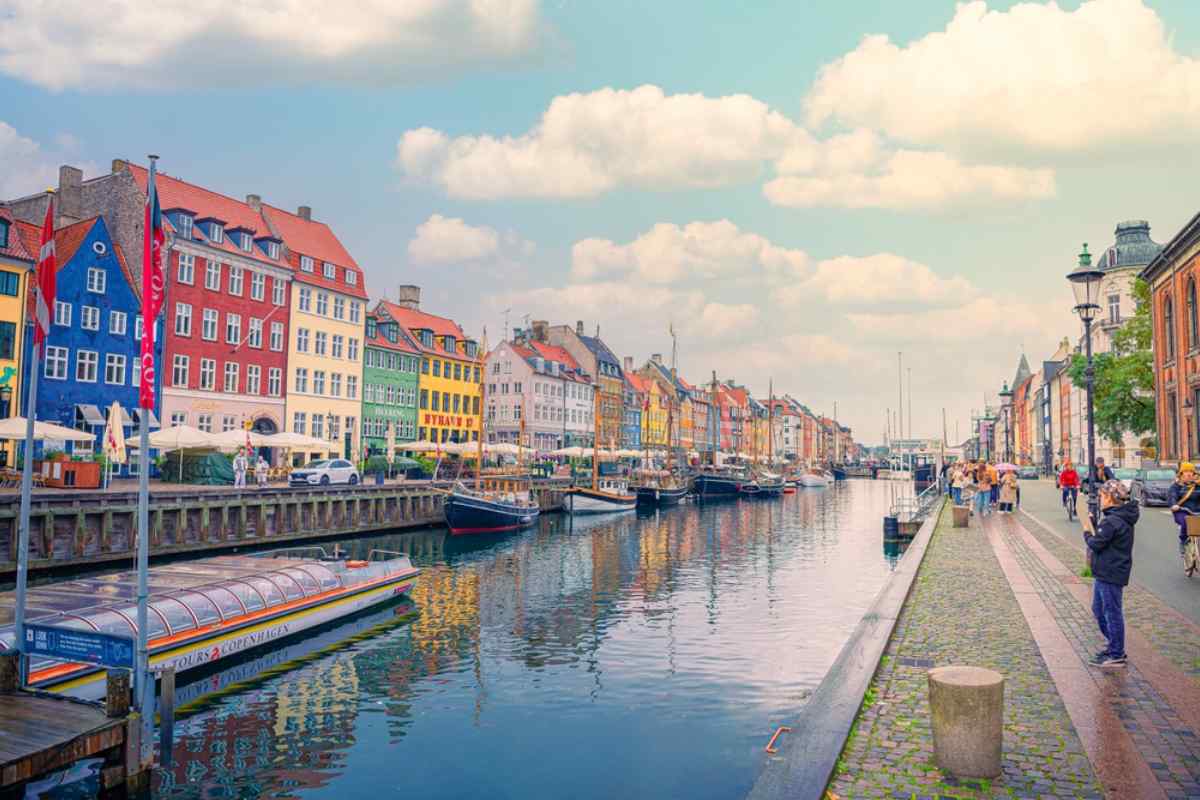
- Nyhavn early (before it turns into a photoshoot convention)
- One palace or one museum, not all of them
- Street food at Reffen or Torvehallerne if you want variety
- A long walk that ends with coffee and people-watching
If you’re traveling in summer, this is also a great day to slow down. Long daylight makes everything feel possible. Don’t fill every hour just because you can.

Day 6: Denmark to Norway
Here’s where you can make your Denmark, Sweden, and Norway itinerary feel either smooth or exhausting, and the difference is one decision.
- Option A (recommended): overnight ferry from Copenhagen to Oslo. DFDS operates the Copenhagen–Oslo route and positions it as an overnight crossing with cabins and onboard facilities. It’s a classic move because it saves you a full drive day and gets you into Norway rested.
- Option B: drive back through Sweden to Oslo. Totally doable, but it often means paying Øresund again and spending more time on highways. If you love driving, fine. If you want energy for Norway, the ferry tends to win.
Day 7: Oslo
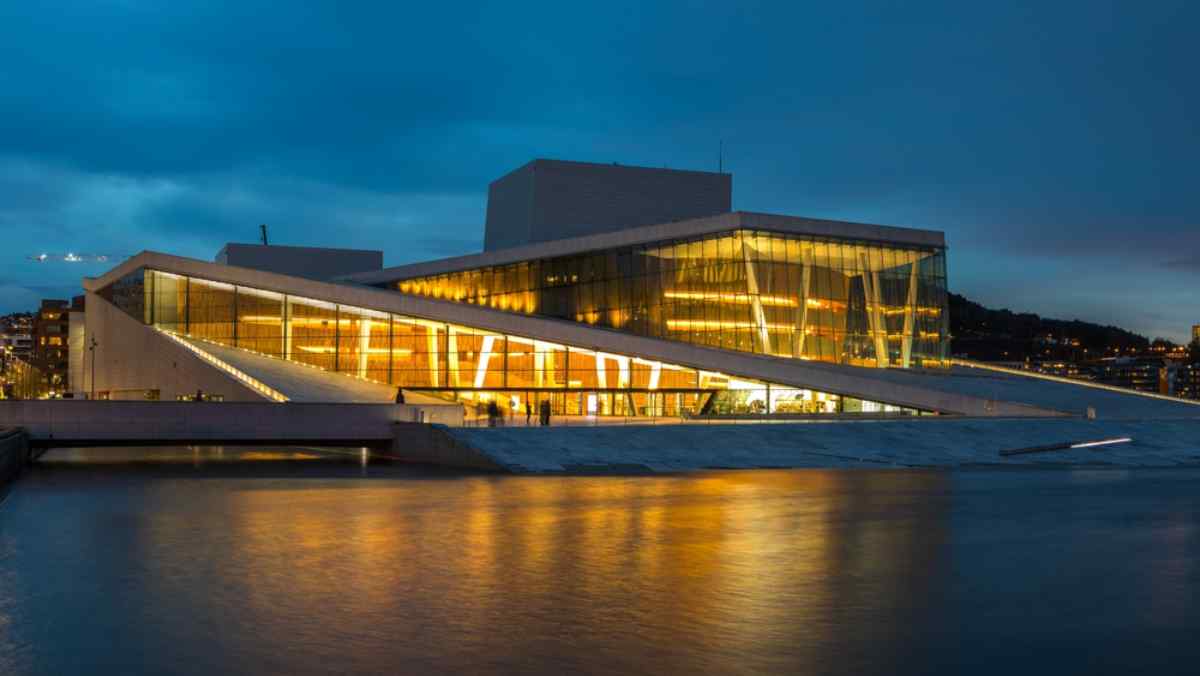
Oslo is a great reset city. It’s compact, easy to navigate, and it’s full of small wins: waterfront walks, modern architecture, and parks that make you feel like locals actually live here (because they do).
Pick two anchors:
- Opera House roof for views
- Vigeland Park for a low-effort, high-payoff stroll
- Bygdøy museums if you want culture without a marathon day
Camper reality check: big cities often have restrictions for motorhome parking, and Norway’s official tourism guidance strongly recommends campsites and designated motorhome spaces, especially in peak season.
Day 8: Oslo to Flåm or Aurland
Today is your “Norway looks like the internet” day. The Flåm and Aurland area is popular for a reason: steep valleys, fjord water that looks edited, and viewpoints that make you stop mid-sentence.
Drive toward the fjord region, then choose your fjord moment:
- A scenic viewpoint (Stegastein is the famous one)
- A fjord cruise if you want the full cinematic effect
- A short hike if you want to earn your dinner
This is also a good night to stay at a proper campsite. Hot showers hit different after a long scenic day.
Day 9: Back Toward Sweden (Oslo region to Karlstad or Lake Vänern)
Today is the bridge back. It’s not the flashiest day, but it keeps your Scandinavia road trip in 10 days from collapsing at the end.
Head back through the Oslo area and into Sweden. Aim for Karlstad or another Lake Vänern stop where you can park easily, eat well, and get one last calm Scandinavian evening.
Day 10: Return to Stockholm
Drive back to Stockholm, return your camper, and plan one last meal that feels like a proper finish. If you have time, squeeze in a final waterfront walk. It’s a nice way to end a trip that covered three countries without feeling like you lived on the highway.
Camper Logistics That Can Save Your Trip (and Your Budget)
This is the stuff nobody wants to read until they’re standing at a toll booth or a ferry terminal wondering what they did wrong. Let’s keep it simple.
Denmark Tolls: Mostly Bridges, Not Highways
If you’re used to toll roads in other parts of Europe, Denmark is refreshingly straightforward. A practical 2026 overview: no classic toll motorways for passenger cars, but there are major paid crossings like Storebælt and Øresund.
If you end up driving across Denmark (instead of taking the Copenhagen–Oslo ferry), Storebælt can come into play. Storebælt also offers a specific motorhome agreement for certain vehicles, with a listed 2026 discounted price (314 DKK) under defined conditions.
Norway Tolls and Ferries: AutoPASS Is the Name You’ll Keep Seeing
Norway uses automated tolling, and foreign vehicles are included. Tolls are charged automatically by license plate or via an AutoPASS agreement, then your Swedish rental company will typically pass those fees on to you after the trip.
AutoPASS also notes that foreign vehicles can end up paying the highest rate if key details like emission class are not registered, so it’s worth confirming that information is on file. If you have questions about how it works for your specific camper, feel free to contact our customer support team.
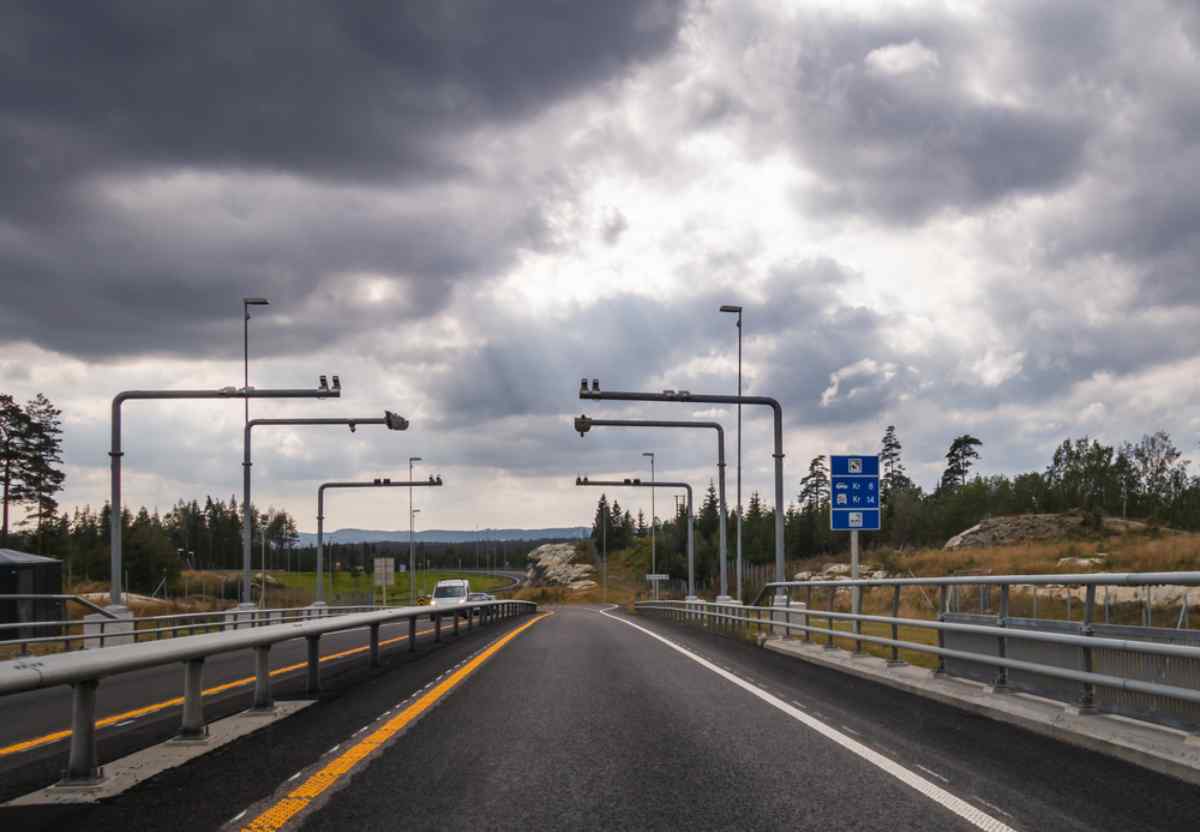
For ferries, you’ll see systems that support automatic billing. One example is FerryPay, which is positioned as a payment solution for vehicles traveling by ferry, especially if you don’t have an AutoPASS tag or a prepayment agreement.
Where to Sleep: Campsites, Ställplats, and What “Wild Camping” Really Means Here
This is where a camper trip either feels effortless or turns into nightly stress. The trick is knowing your options and using the right one for the right day.
Sweden: Mix Campsites With Ställplats for Easy Overnights
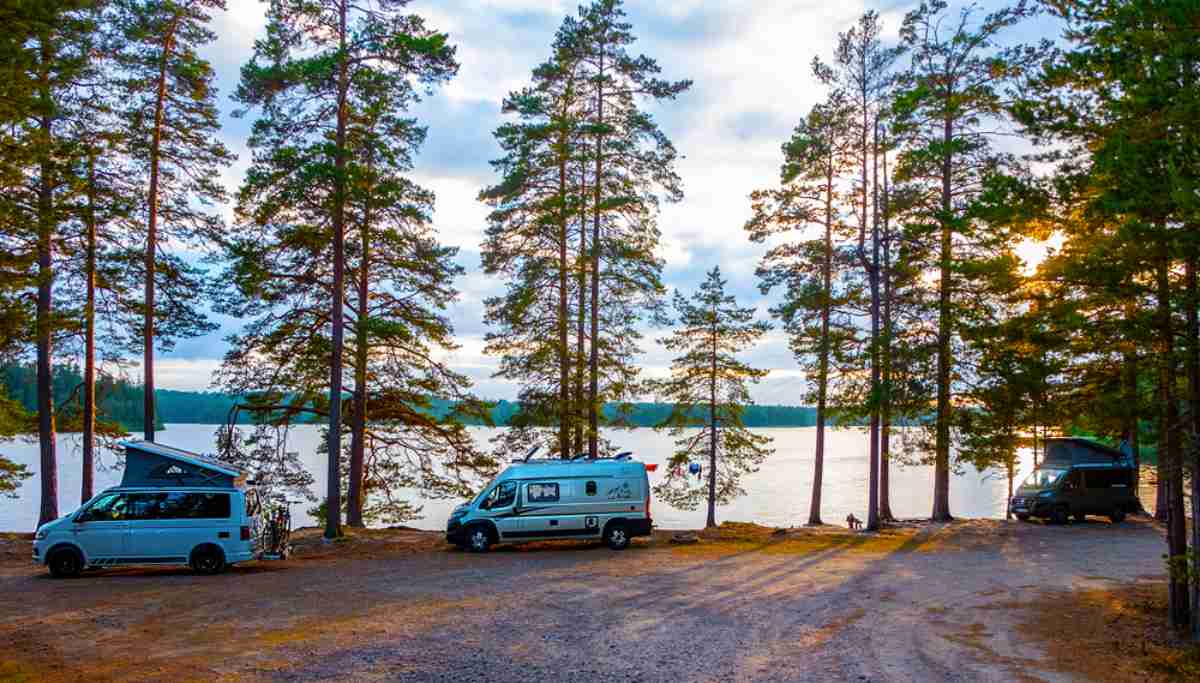
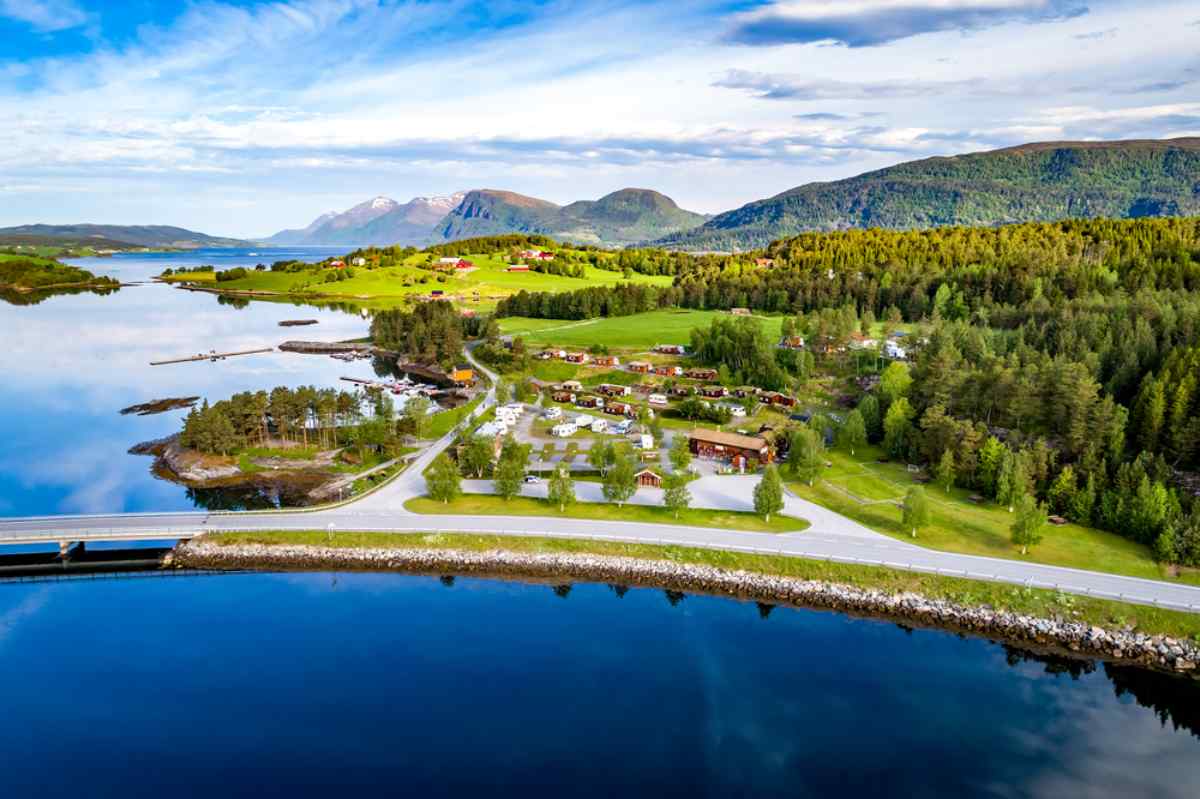
Sweden has classic campsites with full facilities, and it also has ställplats style motorhome parking areas that are designed for short stays and often include basics like waste disposal and sometimes electricity. Sweden’s official tourism site even links to tools and booking platforms that include motorhome parking in their listings.
Plan it like this: use campsites on recharge nights (laundry, long showers, full reset), and use ställplats when you just need a safe, legal place to sleep near the next day’s plan.
Norway: Follow the Camping Code and Stay Respectful
Norway takes outdoor access seriously, and it also asks visitors to do their part. Visit Norway’s camping guidance encourages travelers to use dedicated campsites and motorhome pitches whenever possible, especially in popular areas, and to follow the right-to-roam rules with consideration.
Budget and Booking Tips for a Scandinavia Road Trip in 10 Days
You don’t need a perfect spreadsheet to do this trip, but a little strategy goes a long way when you’re covering Denmark, Sweden, and Norway in one run.
- Book your big-ticket items early: Ferries and popular campsites in peak season.
- Assume cities cost more: Copenhagen and Oslo will be your most expensive nights if you stay close in.
- Use supermarkets like a local: One good grocery run in each country saves real money.
- Stay smaller if you can: Easier parking, often lower bridge costs, less fuel.
- Plan for fixed crossings: Øresund is a known cost (and it’s worth it).
If your goal is value, shoulder season is your friend. You still get long-ish days, you get better availability, and you’re not fighting every other traveler for the same waterfront pitch.
Driving Tips That Matter in Scandinavia
You don’t need to overthink driving here, but there are a few habits that will make the whole trip feel calmer.
- Keep your driving days honest: 4–6 hours is the sweet spot when you still want time to explore.
- Use cities as park and ride days: Copenhagen and Oslo are better on foot or transit.
- Do not push wild parking: The rules are stricter than people assume, and sensitive nature areas are a hard no.
- Carry ID: Border checks can happen, and ferries may request documents.
And honestly, the best tip is the simplest one: if a place looks crowded and fragile, don’t be the camper that makes locals hate campers. Park where you’re meant to park, pay when you’re meant to pay, and your trip will feel easy.
If You Have Extra Time: Easy Add-Ons That Don’t Wreck the Route
Ten days is tight. If you can add even 2–3 days, you can turn this from “Hit the highlights” into something that feels spacious.
- Add 2 days in Norway: Slow down in the fjord region, take a longer hike, and stop rushing sunsets.
- Add 1 day in Sweden’s west coast: More Bohuslän, more islands, more “Why would I leave?.”
- Add 1 day in Copenhagen: Because Copenhagen is one of those cities that rewards a second day.
Final Thoughts: Make the Camper the Whole Point, Not Just the Transport
This kind of Denmark, Sweden, and Norway itinerary works because the camper lets you move at your own pace. You’re not locked into hotel check-in times. You can chase good weather. You can pivot when you find a coastal town you love.
When you’re ready, book a camper in Sweden that fits your travel style (size matters here), map your bridge and ferry costs upfront, and then leave room for the best part: the unplanned stops that end up being the highlights.