 By
By

Experiencing the Northern Lights in Sweden is a dream for many travelers. The country's vast northern regions offer some of the most spectacular displays of this natural phenomenon.
In this guide, we'll explore the best times and places to witness the aurora borealis, delve into the science behind it, and share cultural insights and practical tips to enhance your adventure. when renting a camper in Sweden.
What Are the Northern Lights, and What Causes Them?
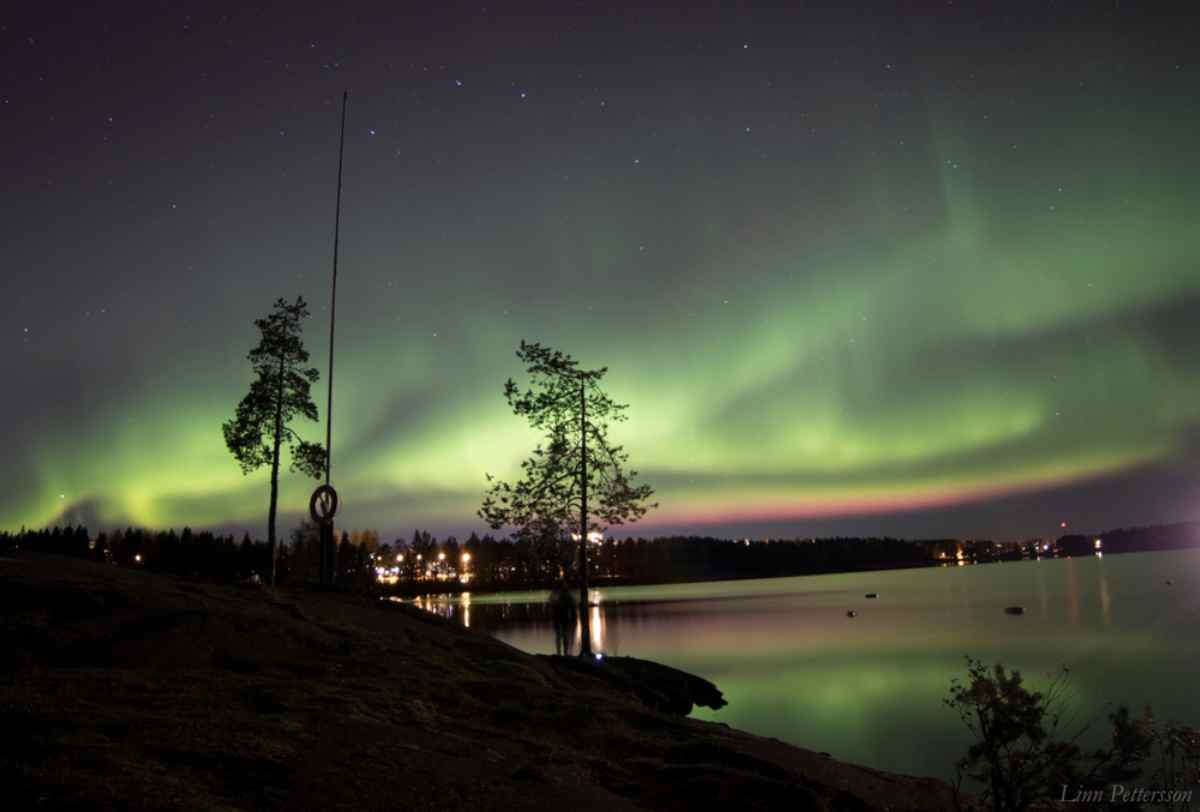
The Northern Lights, or aurora borealis, are luminous displays that grace the night sky, predominantly in high-latitude regions. These mesmerizing lights result from interactions between the Earth's magnetic field and charged particles from the sun. When solar winds carry these particles toward Earth, they collide with gases in our atmosphere, such as oxygen and nitrogen.
These collisions emit light, creating the vibrant colors associated with the aurora. The specific hues, ranging from greens to purples, depend on the type of gas involved and the altitude of the interactions.

The Sami Perspective on the Northern Lights
For the indigenous Sami people of northern Scandinavia, the Northern Lights hold profound cultural significance. Traditionally, the Sami viewed the aurora with a mix of awe and reverence.
Some believed the lights were the souls of the departed, watching over the living. This belief instilled a sense of caution, leading them to avoid speaking about or gesturing toward the lights, fearing it might attract misfortune. Others interpreted the aurora as a bridge to the afterlife or as omens of forthcoming events.
What is the best month to see the Northern Lights in Sweden?
The optimal period to observe the Northern Lights in Sweden spans from September to late March. During these months, the nights are longest, providing ample darkness essential for aurora sightings. Peak activity often occurs between 6:00 pm and 2:00 am, with the most intense displays around 10:00 to 11:00 pm.
Key Factors for Optimal Viewing:
- Solar Activity: Increased solar flares enhance auroral displays.
- Clear Skies: Cloudless conditions are crucial for visibility.
- Minimal Light Pollution: Remote areas away from city lights offer the best experiences.

What part of Sweden is best to see the Northern Lights?
Sweden boasts several prime spots for aurora enthusiasts. Here are five standout locations:
Abisko National Park
Abisko National Park is a top-tier destination for aurora hunters, thanks to its dry climate and cloud-free skies created by the “blue hole” effect—a unique weather phenomenon that keeps this area clearer than its surroundings.
The Aurora Sky Station, perched on Mount Nuolja, provides guided night tours complete with warm gear and local stories. It’s one of the most reliable spots in the world to see the aurora borealis, even when weather elsewhere isn’t ideal. Stargazing here feels truly otherworldly.
Jukkasjärvi (Icehotel)
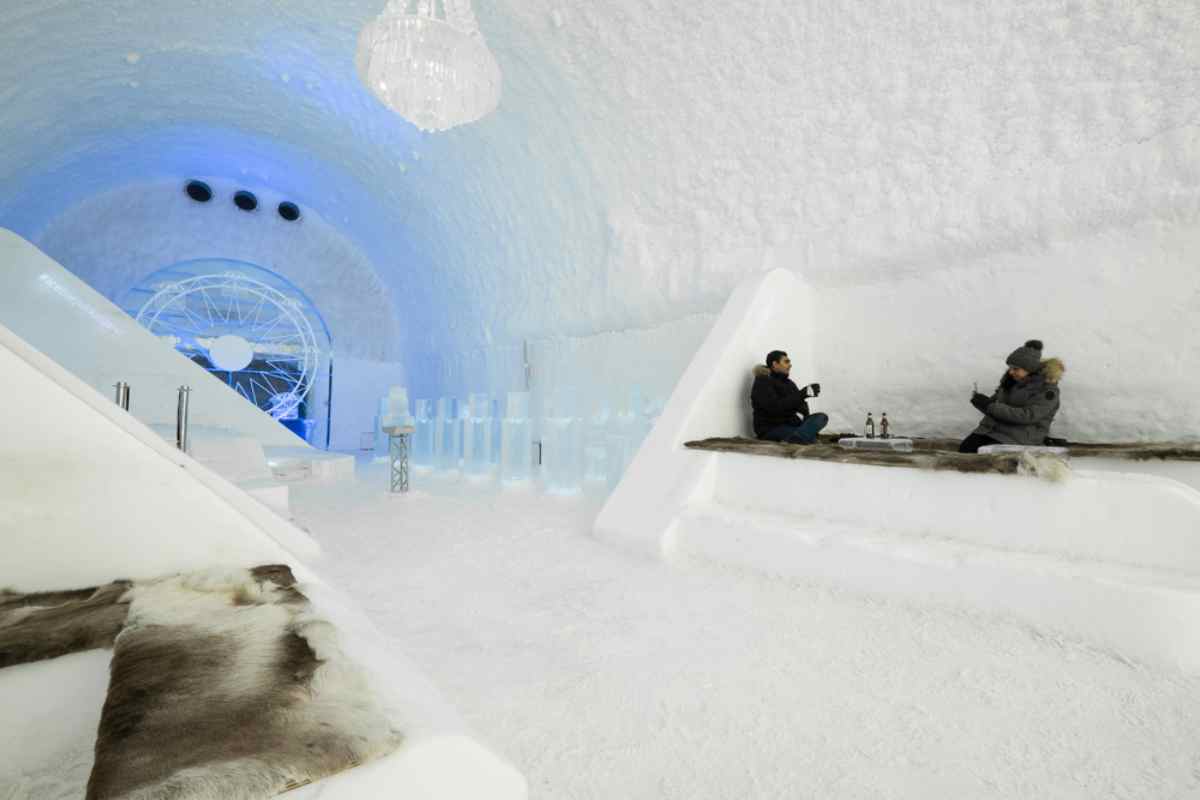
Jukkasjärvi is not just about the lights—it’s about experiencing them from one of the world’s most iconic hotels. The Icehotel, rebuilt every year from frozen river water, offers rooms sculpted entirely from ice and snow, creating a fairytale-like atmosphere.
You can book aurora hunting tours that include snowmobiles, dog sleds, or even reindeer-drawn sleighs. At night, the sky often comes alive with swirling green and purple hues, visible right from the hotel’s surroundings. It’s a dreamlike blend of art and nature.
Kiruna
Kiruna is the northernmost city in Sweden, and it’s perfectly positioned for those seeking the northern lights. It serves as a starting point for excursions into the pristine Arctic wilderness, where light pollution is virtually nonexistent.
The nearby mountains, frozen lakes, and snowy forests provide a cinematic setting for the aurora borealis. You’ll also find cultural attractions like the Kiruna Church and chances to engage with Sami traditions. Kiruna’s mix of accessibility and untouched nature makes it a standout choice.
Porjus
Porjus may be a small village, but it's a giant when it comes to aurora spotting. Situated just south of Jokkmokk, this quiet destination enjoys frequent and intense displays of the northern lights.
Its isolation means extremely low light pollution, making it a haven for photographers chasing the perfect aurora shot. The village has dedicated viewing platforms and a local enthusiasm for stargazing. Whether you're camping or staying in a cozy lodge, Porjus offers a peaceful and photogenic base for your adventure.

Luleå Archipelago
Luleå's frozen archipelago is where coastal beauty meets arctic magic. In winter, the sea freezes over, creating natural ice highways between islands. You can go snowshoeing, ice skating, or take snowmobile tours across this surreal landscape. The northern lights reflect off the icy surface, offering double the visual spectacle.
With its combination of urban comforts and wild surroundings, Luleå provides a more off-the-beaten-path experience for those chasing the Sweden northern lights. It’s ideal for adventurous spirits looking for something different.
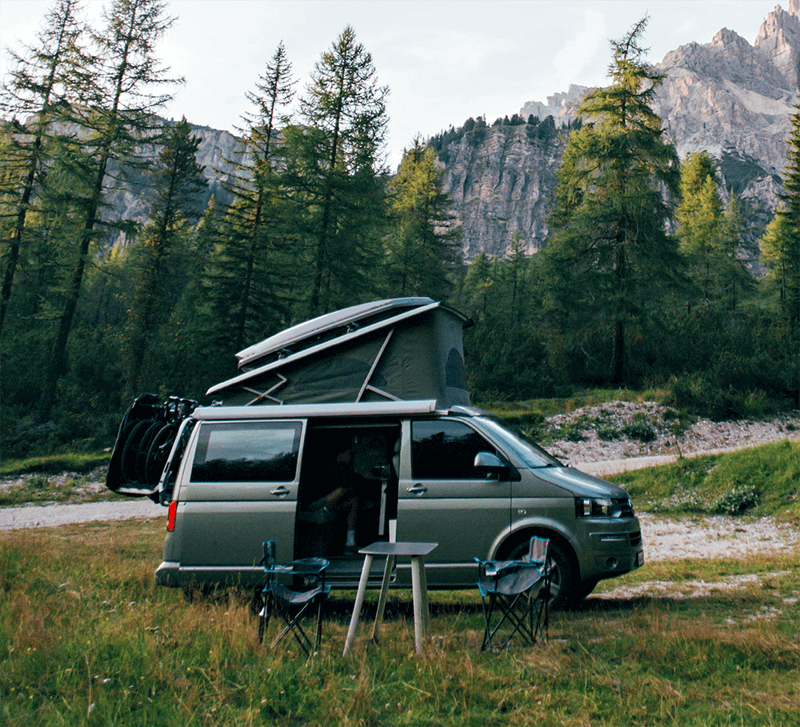
Exploring Sweden's northern regions by caravan offers unparalleled flexibility and comfort. Traveling with a campervan allows you to chase clear skies, set up camp in remote locations, and immerse yourself fully in the natural beauty of the Swedish Lapland.
For a seamless experience, consider renting a well-equipped campervan from Campervan Sweden. Their range of vehicles caters to various needs, ensuring a cozy retreat after a night of aurora watching.
Tips for a Successful Northern Lights Adventure
To maximize your chances of witnessing the aurora borealis in Sweden, consider the following:
- Monitor Solar Activity: Stay updated with aurora forecasts and solar activity reports. Websites and apps dedicated to space weather can provide real-time alerts.
- Dress Warmly: Temperatures in northern Sweden can be extremely cold. Layered clothing, thermal wear, and insulated boots are essential.
- Be Patient: Auroral displays can be unpredictable. Allocate several nights for viewing to increase your chances.
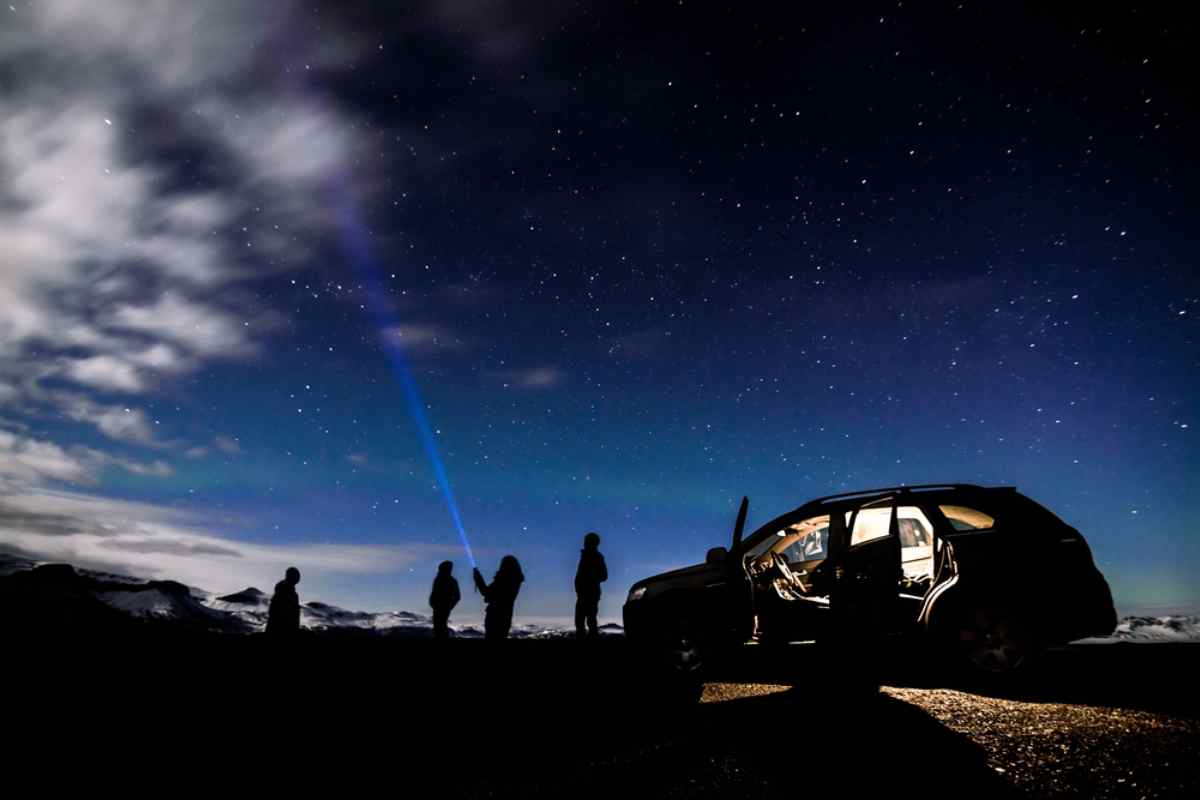
- Capture the Moment: For photography enthusiasts, a tripod and a camera with manual settings are recommended. Long exposure times can help capture the aurora's vivid colors.
- Engage with Local Guides: Consider joining guided tours led by local experts. They possess invaluable knowledge about the best viewing spots and can enrich your experience with cultural insights.
Enjoying the Northern Lights in Sweden
Witnessing the Northern Lights in Sweden is a transformative experience, blending natural wonder with cultural richness. By understanding the science behind the aurora, appreciating the local traditions, and choosing the right time and place, you can embark on an unforgettable journey.
Whether standing beneath the shimmering skies of Abisko or the serene landscapes of Jukkasjärvi, the aurora borealis promises memories that will last a lifetime.