 By
By

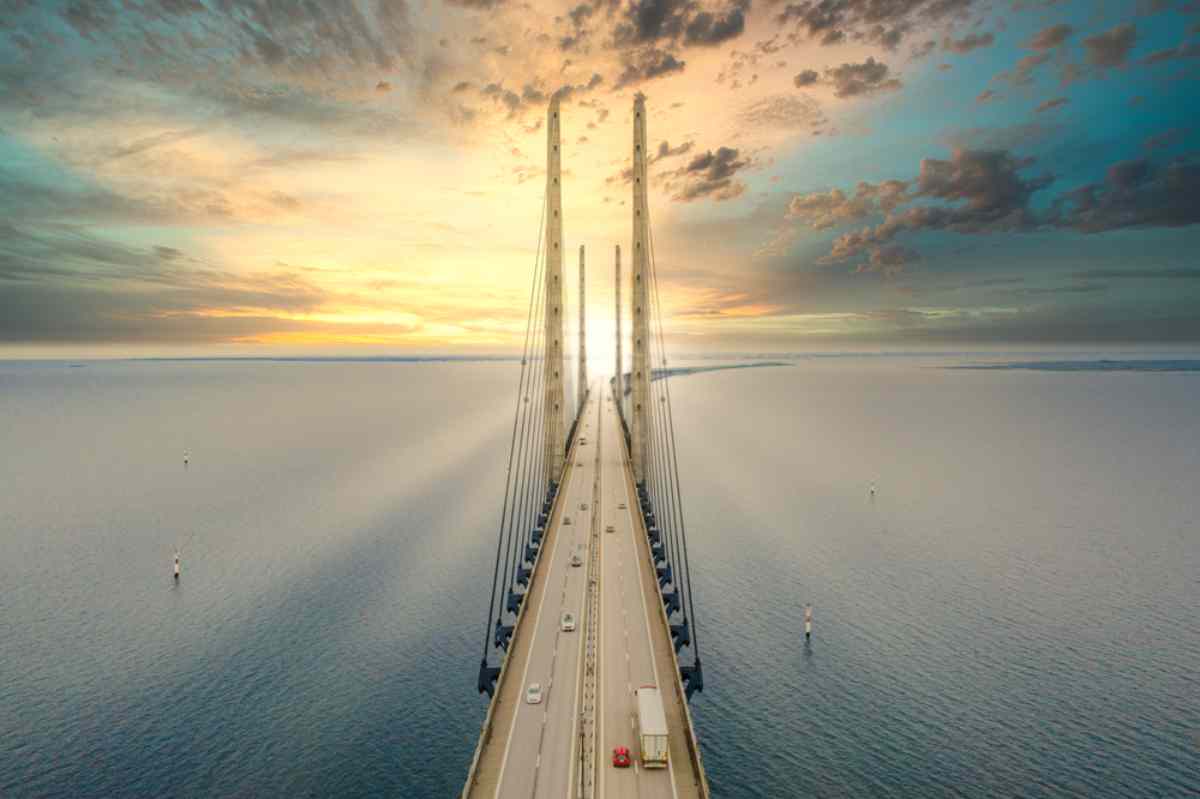
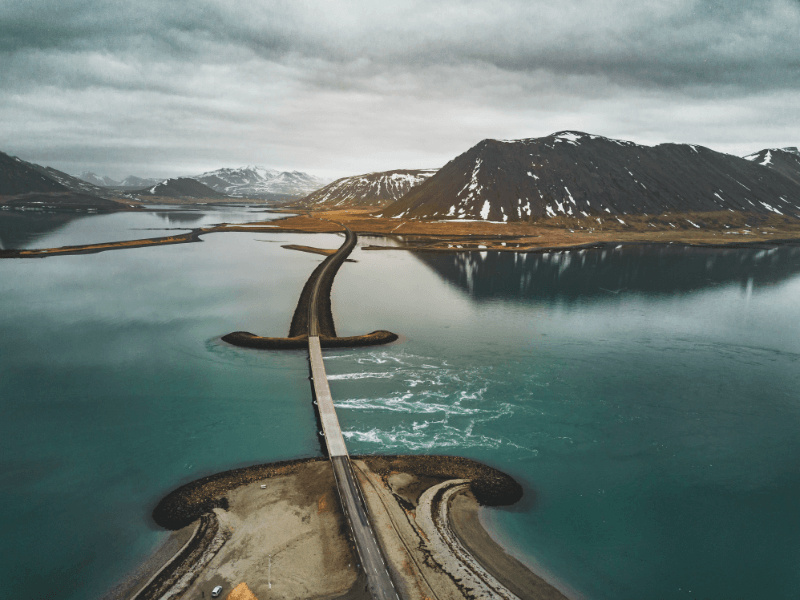
Nestled in the Baltic Sea, Öland, Sweden's second-largest island, is a blend of breathtaking landscapes, rich history, and a unique ecosystem. This island stands out not just for its 6-kilometer-long bridge connecting it to the mainland but for its distinctive nature and mild climate, making it a royal retreat for over a century and a paradise for visitors.
If you are planning a flexible trip, this simple guide to Öland in Sweden will help you decide which things to do, how to get around, and why a rental campervan can make the whole experience smoother.
The History of Öland
Öland's history is a tapestry of human endeavor, natural phenomena, and strategic importance. Inhabited since the Stone Age, the island has served as a home, fortress, and marketplace for various cultures over millennia. Its strategic location in the Baltic Sea made it a coveted and contested land throughout the ages.
Ancient Beginnings
The earliest evidence of human activity on Öland dates back to the Stone Age, with ancient tools and remains discovered across the island. These early inhabitants were hunter-gatherers, relying on the rich natural resources of the land and sea.

Iron Age to Viking Era
During the Iron Age and into the Viking Era, Öland became a significant center for trade and craftsmanship. The island's strategic position along maritime routes made it a bustling hub for cultural exchange and commerce. Numerous burial sites and rune stones scattered across Öland attest to its importance during these periods. The island was also known for its skilled warriors and was involved in the power struggles that shaped the region.
Medieval Significance
In the medieval period, Öland's strategic and economic significance continued to grow. The construction of fortresses and castles, such as Borgholm Castle, underscored its value in regional defense and control. The island also became an essential agricultural center, with windmills becoming a characteristic feature of its landscape, many of which still stand today as historical landmarks.
UNESCO World Heritage Site: Stora Alvaret
A highlight of Öland's historical landscape is the Stora Alvaret, a vast limestone pavement that is home to a unique ecosystem and numerous archaeological sites. This area has been recognized by UNESCO for its outstanding value to humanity, showcasing a landscape shaped by centuries of farming and grazing.
The Stora Alvaret is not only a natural wonder but also a cultural heritage site, with ancient monuments, petroglyphs, and stone structures that offer insights into the lives of its ancient inhabitants. Give yourself time here, since the magic is subtle. Arrive early or near sunset for softer light and fewer people.
Things to Do in Öland, Sweden
From broad southern fields and quiet central woods to the Stenkusten cliffs, Öland pairs striking nature with a deep history that rewards campervan travelers.
Borgholm Castle and Solliden Palace
Borgholm Castle is dramatic even in ruin. Walk the courtyards, climb to viewpoints, and look out across the Kalmarsund Strait. Exhibits add context without overwhelming the atmosphere, and seasonal events can bring the past to life.
A short drive away, Solliden Palace opens its gardens to visitors in summer. Expect manicured lawns, themed garden sections, and shaded corners that are perfect for a slow stroll. The contrast between the rugged castle and the elegant palace grounds is part of the charm.
Ottenby Nature Reserve and Långe Jan Lighthouse
At the island’s southern tip, Ottenby is a birding hotspot on major migration routes. Spring and autumn are busiest, but you can see seabirds, waders, and raptors much of the year. Boardwalks and bird blinds make it easy to watch without disturbing wildlife.
Nearby stands Långe Jan, Sweden’s tallest lighthouse. Climb on clear days for a sweeping view of surf, beaches, and grazing pastures. The area around the lighthouse often has seals, so bring binoculars and a windproof layer.

Northern Lighthouse Långe Erik and Byrum Raukar
Head north for Långe Erik. The scenery feels wilder, with rocky shores and endless sea. The drive with your campervan is reason enough to go, since you pass windmills and quiet villages that capture Öland’s everyday rhythm.
Not far away, Byrum Raukar features limestone sea stacks that look sculpted by an artist. Low tide reveals tide pools and intricate textures in the rock. It’s a great spot for golden hour when the stones pick up warm light.
Stenkusten and Coastal Cliff Walks
The stone coast known as Stenkusten delivers wave-carved ledges, flat rock benches, and rolling surf. This is a place to linger, not rush. Park your campervan and walk short segments, take photos of the layered rock, and watch for seabirds working the shoreline.
Safety is simple here. Wear solid shoes, keep an eye on slippery surfaces, and respect signs, especially when parking your vehicle. The coast changes with the weather, which is part of the appeal. Calm days feel meditative, windy days feel cinematic.
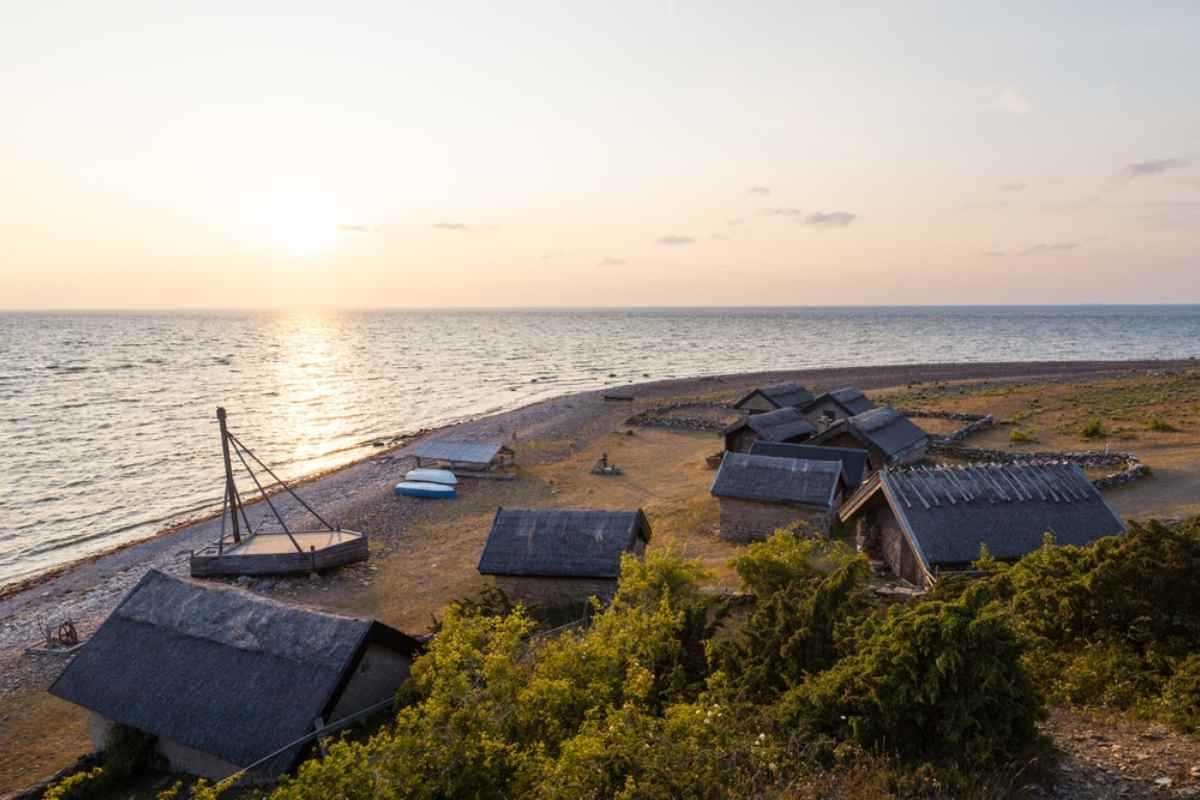
Beaches: Böda Sand, Byxelkrok, and Hidden Coves
Böda Sand is the island’s postcard beach, long and sandy with shallow water that warms quickly in summer. It can be lively, which is great for families and anyone who likes amenities within steps of the sand.
If you prefer a quieter vibe, explore near Byxelkrok or detour to smaller coves marked from the main road. Early mornings and weekday afternoons are best for space and soft light. Bring a picnic and a light jacket, since onshore breezes cool things down even in July.
Windmills: Lerkaka and the Öland Mill Trail
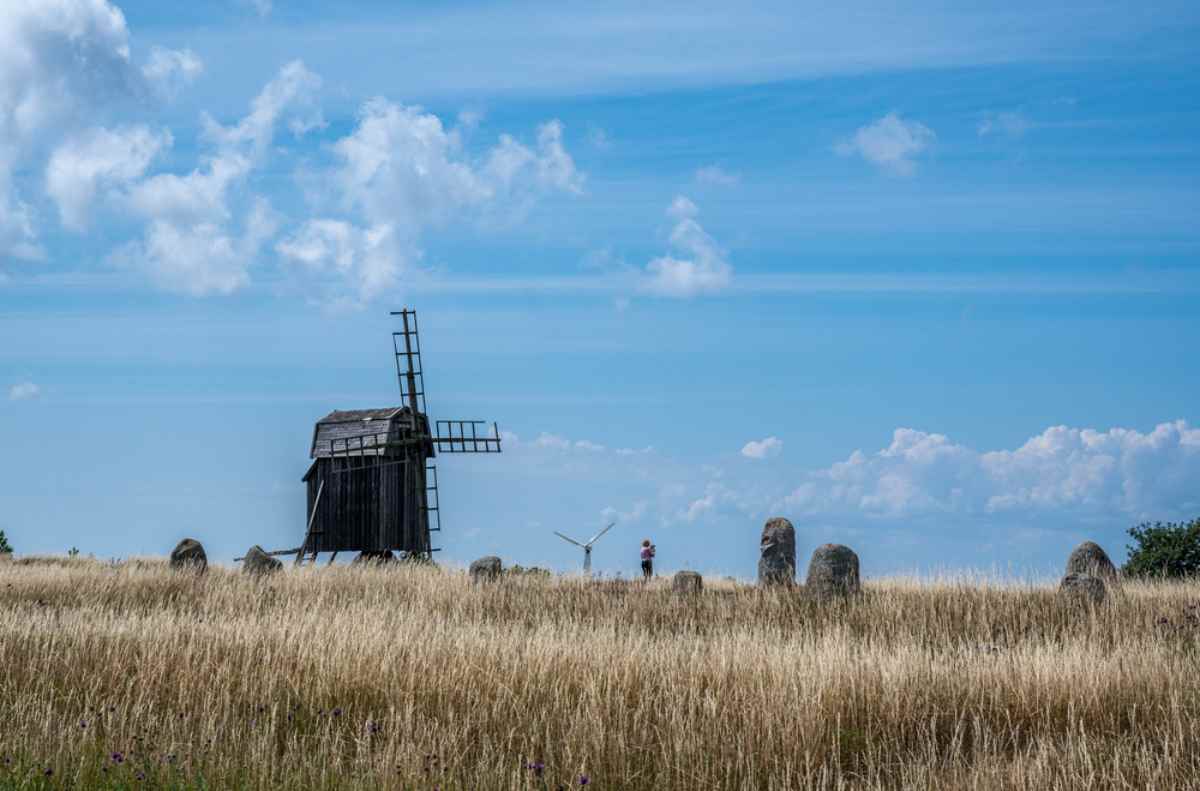
Öland once had thousands of windmills. Lerkaka’s cluster is especially photogenic, with weathered wood and classic proportions that frame the fields behind them. It is easy to combine a windmill stop with nearby farm shops and cafés to try Swedish fika.
A short driving loop connects several mills, each with slightly different architecture. Look for local signs that explain how milling supported small communities. These are quick stops that add up to a fuller sense of place.
Stora Alvaret Walks and Orchid Season
Exploring Stora Alvaret is one of the best things to do in Öland. Late spring and early summer bring orchids to the alvar. Trails range from short rambles to half-day loops. The terrain is mostly flat, yet the thin soil can be uneven, so closed-toe shoes are smart.
Carry water and a hat because shade is limited. Stay on marked paths to protect fragile plants and to avoid getting turned around. Even a short walk can deliver big horizons and that special alvar silence.
Cycling the Ölandsleden and Backroads
Cycling suits Öland’s gentle grades and open scenery. The Ölandsleden route helps you string together beaches, mills, and villages without heavy traffic. Bring a lock and plan café stops, since small places often double as both bike break and local hangout.
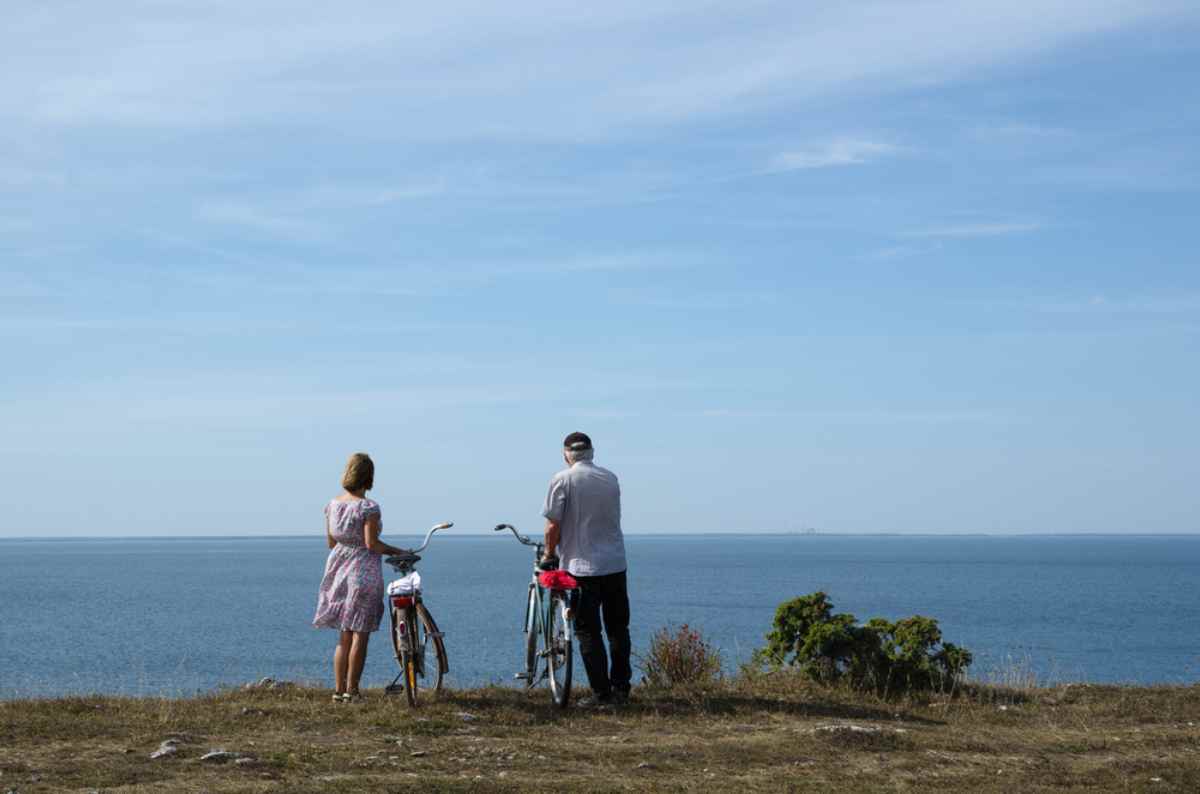
Wind can be a factor. Check the forecast and plan your direction accordingly. A tailwind out and a headwind back can be tough, so consider a loop that keeps the wind mostly at your side.
Skördefesten Harvest Festival and Summer Events
Autumn brings Skördefesten, a harvest festival with farm stands, crafts, food pop-ups, and evening art light installations. It is a perfect time to taste local produce and meet makers who keep traditions alive.
Summer has its own calendar, from garden openings to music nights. If you like a busier atmosphere, plan July. If you prefer quieter roads and lower prices, June and September are sweet spots.
Enjoying Öland in a Campervan
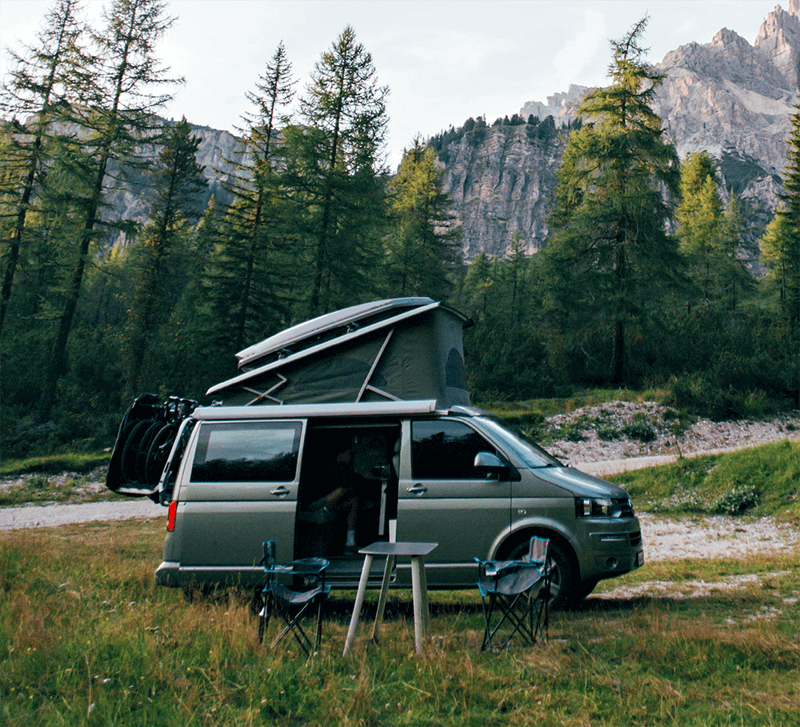
A campervan makes Öland in Sweden feel effortless. Distances are short, parking is straightforward, and you can pivot easily between beaches, mills, and reserves. Most roads are paved and well marked, and the Öland Bridge connects directly to Kalmar on the mainland.
Before you start your road trip and enjoy the things to do in Öland, keep the following in mind:
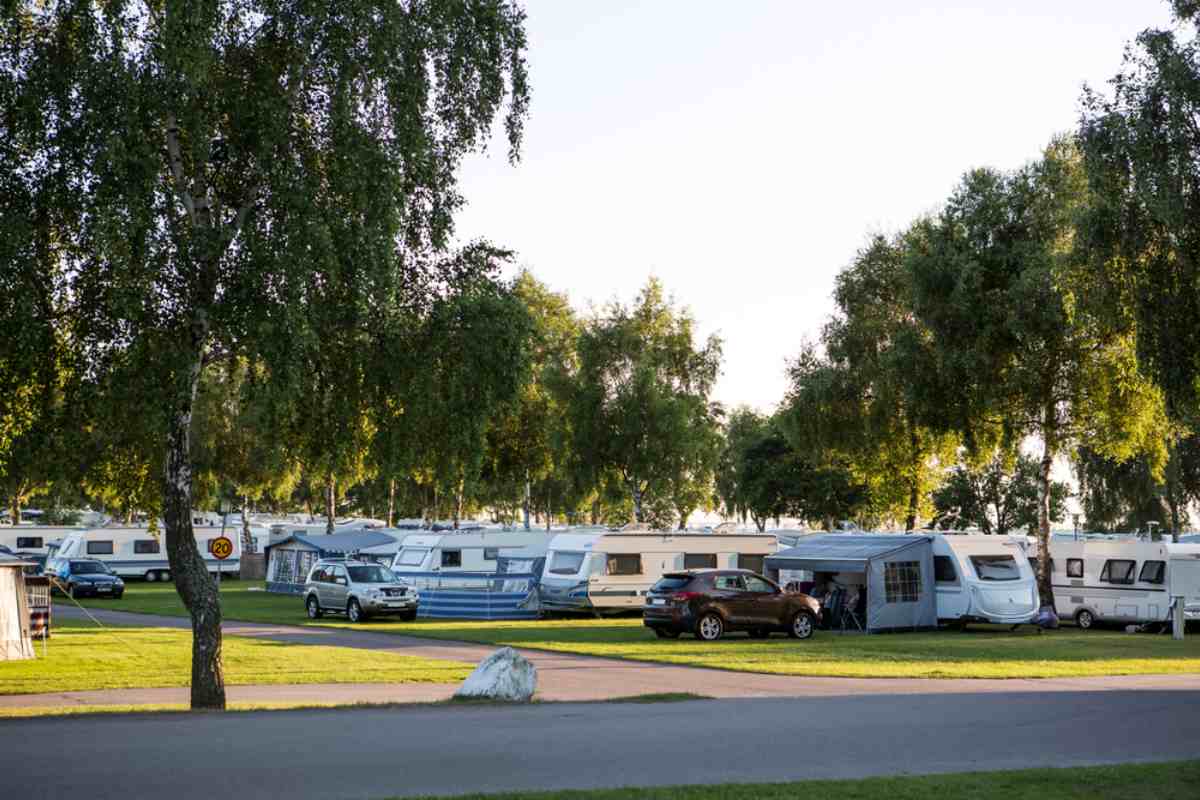
- Plan for official camping areas or designated campervan sites.
- Respect local rules on overnight parking and keep waste disposal to approved stations.
- Wind picks up quickly on open coasts, so park with shelter when possible, level your vehicle carefully, and secure awnings.
- In peak summer, prebook the most popular campgrounds.
- In shoulder seasons, you gain more freedom to show up and explore at your pace.
Frequently Asked Questions about Öland
Is Öland Worth Visiting?
Yes. Öland combines natural variety, gentle logistics, and a strong sense of place. The atmosphere is relaxed and family-friendly. Food skews local, walks are accessible, and the scenery is quietly dramatic rather than overbuilt.
What Is the Population of Öland, Sweden?
Öland has about 26,000 permanent residents spread across two municipalities, Borgholm and Mörbylånga. The number rises significantly in summer, when seasonal workers and visitors arrive.
How Do I Get to Öland, Sweden?
Most visitors arrive via the Öland Bridge from Kalmar. If you are driving from southern Sweden, use routes that feed into the E22 and follow signs to Kalmar, then cross the bridge to Färjestaden.
Where Is Öland Located?
Öland sits in the Baltic Sea off Sweden’s southeast coast. It runs roughly north to south, parallel to the mainland, with the Kalmarsund Strait in between.
Öland in Sweden, with its rich history, unique landscapes, and cultural heritage, offers a diverse array of experiences for visitors with a rental campervan. From exploring ancient ruins and royal palaces to enjoying the natural beauty of its alvars and coastlines, Öland is a destination that captivates and delights.